
Sticker burr plants, often referred to by different names like sand burrs, goat head stickers, or grass burrs, can turn a beautiful lawn or garden into an uncomfortable, prickly mess. They’re infamous for their sharp, spiny seed pods that can be a real hazard to both humans and pets.
If you're noticing sharp, spiny balls sticking to your clothes or your dog's fur, you’re likely dealing with sticker burrs. But don’t worry, identifying, understanding, and removing these pesky plants is possible with the right guidance. In this detailed guide, we’ll walk you through everything you need to know about burr plants: their identification, types, where they grow, and how to effectively control or remove them from your yard.
What Is a Sticker Burr Plant?
A sticker burr plant is a type of invasive weed known for producing seed pods covered in sharp spines. These spiky seed pods are called "burs," and their primary purpose is to attach to animals, people, or other objects, allowing the plant to spread its seeds over long distances.
Sticker burr plants thrive in sunny, well-drained areas and can quickly infest lawns, gardens, and fields. There are several varieties of sticker burrs, and while their appearance and size may differ, they all share the same irritating characteristic: their prickly burrs. These burs are not only annoying but can also cause injury to pets and humans if they come into contact with the sharp edges.
Common Types of Sticker Burr Plants
1. Goat Head Stickers
Perhaps the most well-known and harmful type of sticker burr, goat head stickers are infamous for their sharp, painful burrs. These weeds are a common sight in warm climates, and they can be particularly troublesome in the southwestern United States. Their burs can be as hard as nails, and once embedded in skin or paws, they can cause serious pain and discomfort. A goat head sticker plant grows low to the ground with sprawling stems and often produces multiple burs per plant.
Studies show that goat head stickers, also known as puncturevine, are responsible for thousands of pet injuries every year, especially in regions where the plant is prevalent, like Arizona, Nevada, and Texas.
2. Sand Burrs
Sand burrs are another common type of sticker burr. These plants are typically found in sandy soils, especially in areas that experience dry conditions. Like other sticker burrs, sand burrs produce spiky seed pods that can be difficult to remove. The plant’s long, thin stems give it a somewhat grass-like appearance, which can make it harder to distinguish from other weeds until the burrs appear.
3. Grass Burrs
Grass burrs are often mistaken for sand burrs, but they tend to grow in grassier, more fertile soils. These burrs are most often found in lawns and pastures, where they spread quickly and become quite problematic. Grass burrs thrive in areas that are over-fertilized or poorly maintained, making it essential to keep your lawn healthy and properly cared for in order to prevent their spread.
How to Identify Sticker Burr Plants?
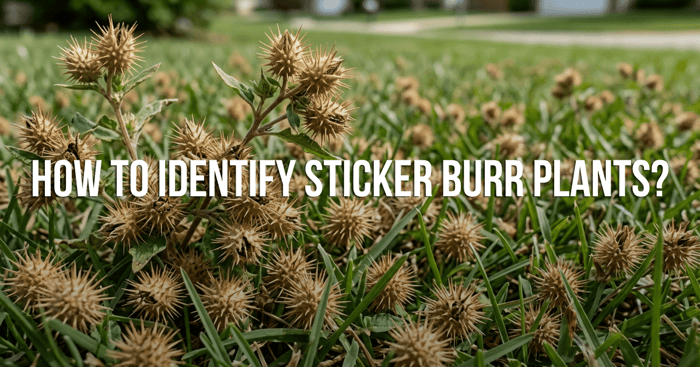
Understanding how to identify burr plants is the first step in controlling them. While these plants can be tricky to spot initially, several telltale signs will help you recognize them.
Key Features to Look For
Leaves: Sticker burr plants have narrow, long leaves that are often rough or textured. They might resemble grass, but they usually have a more rigid or coarse texture. Some species, such as goat head stickers, have leaves that grow in a rosette pattern near the base of the plant.
Stems: The stems of burr plants are typically slender and may either be upright or sprawling, depending on the species. Some plants, like sand burrs, may have stems that spread out close to the ground, while others, like grass burrs, grow in taller bunches.
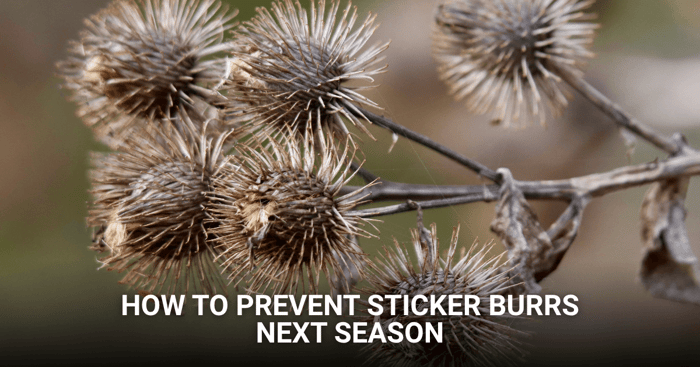
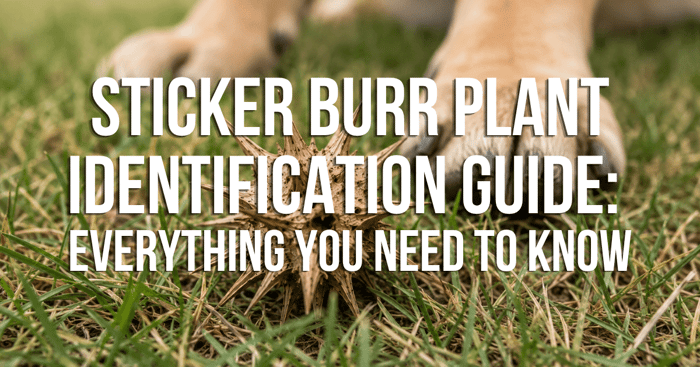
Burs: The most obvious sign of a sticker burr is the burs. These sharp, spiny seed pods are often spherical or oval in shape and can range in size from a small pea to a larger marble. When touched, they can cause immediate discomfort due to their pointed spikes. Burs often grow in clusters, making them easier to spot in the late summer or fall.
Growth Patterns
Sticker burr plants prefer sunny, open areas with well-drained soil. They tend to grow quickly during the warmer months and may begin to flower in late spring or early summer. These plants are highly resilient and can thrive in poor soil conditions, which is why they are often found in lawns that aren't regularly maintained.
Why Sticker Burrs Are a Problem?
Sticker burrs might seem like a minor annoyance, but they can create several significant problems in your yard and garden:
Harm to Pets and Children: The sharp burs can cause painful injuries, especially to pets and young children. Dogs, in particular, are vulnerable because they often step on the burs while playing or running outdoors. These injuries can range from mild discomfort to severe pain, depending on the size of the burr and how deeply it embeds into the skin.
Damage to Lawns: Sticker burrs are known for their ability to outcompete other vegetation, including grass. As these weeds spread, they can damage lawns and reduce the overall aesthetic appeal of your outdoor spaces. If left unchecked, sticker burrs can make your lawn look patchy and uneven.
Difficulty in Removal: The burs are tough and can be difficult to remove once they’ve attached to clothing, shoes, or fur. If the seeds are not removed properly, they can spread to other parts of your yard or to nearby areas, making the problem worse.
Tough on Gardeners: If sticker burrs infest your garden, they can crowd out other plants, making it harder for flowers or vegetables to grow. These plants can also interfere with other outdoor activities, such as sports or gardening.
How to Control and Remove Sticker Burrs?
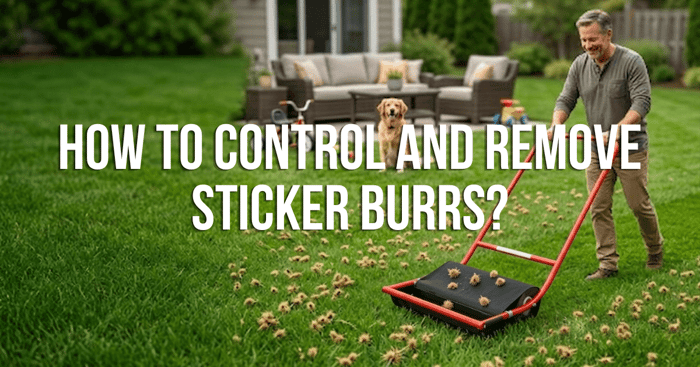
Once you've identified sticker burr plants, it's time to take action to remove and control them. Fortunately, there are several effective methods for burr plant removal and control.
1. Manual Removal
The simplest, though most labor-intensive, method for removing sticker burrs is manual removal. Using gardening gloves and a weed puller, you can dig up the plants, ensuring that you get the roots as well as the stems. This method works best for smaller infestations, as larger areas may require more extensive work.
2. Herbicides
Herbicides can be a quick and effective way to eliminate sticker burrs, but they must be used carefully to avoid harming other plants. Glyphosate-based herbicides are particularly effective at killing burr weeds, but they should be applied directly to the plants and not to surrounding grass or vegetation. Always follow the instructions on the label to avoid unintended damage.
3. Mulching
Mulching is an effective preventive measure to control sticker burrs. A thick layer of mulch, such as wood chips or straw, can block sunlight from reaching the soil, preventing burr seeds from germinating. This is especially useful in garden beds where you want to prevent new weed growth.
4. Regular Lawn Care
Maintaining a healthy lawn is one of the best ways to prevent sticker burrs from taking root in the first place. Regular mowing, aerating, and fertilizing can keep your grass thick and strong, which will naturally push out weeds. Watering deeply but infrequently will also promote deep grass roots, making it harder for burr weeds to establish themselves.
5. Natural Remedies
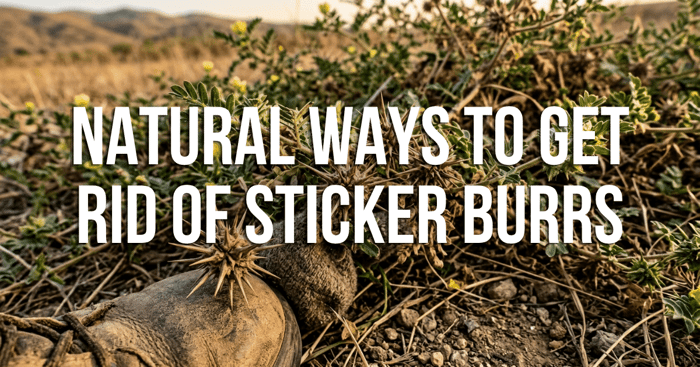
Some gardeners prefer using natural remedies to control sticker burrs, such as diatomaceous earth or organic weed killers. These methods are typically safer for the environment but may take longer to show results compared to chemical herbicides.
Preventing Future Sticker Burr Infestations
Once you've removed the sticker burr plants from your yard, you’ll want to prevent them from returning. Here are some tips to help keep your lawn and garden burr-free:
Choose the Right Grass: Plant a dense, hardy grass variety that can outcompete sticker burrs. Fescue and ryegrass are particularly good at crowding out weeds and providing a thick lawn.
Regular Lawn Care: Stick to a routine of lawn care that includes mowing, aerating, and fertilizing to maintain a healthy and weed-resistant yard.
Use Weed Barriers: In areas where you're growing plants or vegetables, consider installing weed barriers that can prevent sticker burrs from taking root.
Watch for Early Signs: Keep an eye out for early signs of sticker burrs, especially during late spring or early summer. The earlier you spot the problem, the easier it will be to control.
Why Choose a Sticker Burr Roller for Effective Removal?
If you’re struggling to remove sticker burrs from your lawn, consider using a Sticker Burr Roller. This innovative tool makes it easier to remove these prickly weeds without causing damage to your lawn or garden. The Sticker Burr Roller helps you collect the burs efficiently, making it a must-have for anyone dealing with a burr weed infestation.
With the Sticker Burr Roller, you can easily collect and remove the burs without using harsh chemicals or spending hours on manual removal. This tool is perfect for homeowners who want a hassle-free solution for keeping their yards burr-free.
Conclusion
Sticker burr plants can be a major problem for homeowners, gardeners, and pet owners. From goat head stickers to sand burrs and grass burrs, these plants can quickly take over your yard if left untreated. Fortunately, with the right tools and knowledge, you can effectively control and remove these prickly weeds.
Get rid of those pesky burr plants and enjoy a burr-free lawn and garden. Visit Sticker Burr Roller today to find the best solution for your sticker burr problem and make your lawn a safe, comfortable space again!
FAQs
What is a sticker burr plant, and how can I identify it?
A sticker burr plant produces spiny seed pods (burs). Look for long, narrow, rough-textured leaves and sharp, clustered burs. It thrives in sunny, well-drained areas.
How do I get rid of sticker burrs in my lawn?
Manually remove the plants, use herbicides like glyphosate, and keep your lawn healthy with regular mowing, aerating, and fertilizing. A Sticker Burr Roller can help collect burs efficiently.
Are sticker burrs harmful to pets?
Yes, sticker burrs can cause painful injuries to pets, especially dogs, when they step on or get stuck in their fur.
What are the most common types of sticker burr plants?
The most common types are goat head stickers, sand burrs, and grass burrs. All produce sharp, painful burs.
How can I prevent sticker burrs from growing in my garden or lawn?
Maintain a healthy lawn, use mulch, install weed barriers, and remove early signs of sticker burrs to prevent growth.