
Your yard should be a place where you can relax, play, and enjoy the outdoors. But tiny, spiky seed pods called ‘stickers’ can make it painful to walk barefoot or let your pets run around. These little pods stick to shoes, socks, clothing, and even your pets’ fur. They spread quickly and can take over your lawn if left alone.
Stickers don’t just hurt. They can grow in bare spots, crowd out healthy grass, and make your yard hard to enjoy. What starts as a few scattered seeds can quickly become a big problem. In this guide, we will explain what stickers are, why they appear in your yard, and how to remove them safely. You’ll also learn simple ways to stop them from coming back, so your yard becomes safe, clean, and comfortable for your whole family.
What Are Stickers? (And Why They're Such a Problem?)
Sticker weeds go by many names. You may know them as burr weeds, grassburs, sandburs, or yard stickers. However, they all share one thing: sharp, spiny seed heads that cling to everything in their path. They hook into your shoes, pierce your bare feet, stick to your pet's paws, and latch onto your dog's fur. Consequently, sticker burrs spread from one yard to the next with very little effort.
The most common types found in US lawns include:
Lawn burweed (Soliva sessilis) is a winter annual that hides in the fall and turns painful by spring. It's especially widespread across the Southeast and South.
Field sandburs (Cenchrus echinatus) are a warm-season type that thrives in sandy, dry soils. It blends easily into Bermuda and St. Augustine grass.
Goat heads (Tribulus terrestris) are the most painful type on this list. Their seeds are hard enough to puncture a bicycle tire.
Bur clover, A cool-season plant that spreads in thin, patchy lawn areas and garden beds.
Each type has its own growth window and season. So, identifying the correct type helps you treat it at the right time. The wrong timing means the weeds win.
Common Causes of Sticker Weed Infestations
Sticker weeds don't appear in healthy, thick lawns by accident. They show up because specific conditions in your yard invite them in. So, understanding those conditions is the first step to real, lasting control. And acting early matters more than most people realize. According to a recent report, the average US household spent $616 on lawn and garden care, nearly 20% more than in 2020. A significant share of that spending goes directly toward fighting weeds that could have been stopped before they started.
1. Thin or Bare Grass Patches
This is the number one cause of sticker weed infestations. Sticker weed seeds need bare, open soil to germinate. When your lawn has thin spots or bare patches, those seeds land on the ground with zero competition. A dense, thick lawn, on the other hand, blocks most weed seeds from ever taking root. Therefore, the thinner your grass, the bigger your sticker weed problem will be.
2. Sandy or Compacted Soil
Field sandburs especially love sandy, loose, dry soil. That soil type warms up quickly and holds less moisture, which is exactly the environment these weeds prefer. Compacted soil also causes serious problems. When soil is compacted, grass roots can't grow deep. As a result, the turf stays shallow, weak, and unable to compete against fast-spreading weeds.
3. Cutting Grass Too Short
Mowing below the recommended height stresses your grass. Stressed grass has weak roots and thin coverage. Furthermore, if you mow over mature burr weeds, you scatter their seeds across a much wider area. Each pass of the mower picks up seeds and deposits them further across your lawn, effectively planting the next round of the problem yourself.
4. Poor Watering Habits
Both too much water and too little water weaken your lawn's defenses. Shallow, frequent watering keeps grass roots near the surface, where they stay small and stressed. That weakness creates openings for sticker weeds to move in. Deep, infrequent watering, by contrast, builds a strong root system that helps your grass fight off weed invasion naturally.
5. Seeds Traveling From Nearby Properties
Burr seeds are built to travel. They attach to fur, clothing, shoes, and equipment, and they hitchhike everywhere. If your neighbor's yard has sticker weeds, there is a real chance their seeds are migrating into your lawn regularly. Birds and wildlife also drop seeds as they move through your yard. So even a well-managed lawn can get hit if nearby properties are heavily infested.
How to Identify Sticker-Producing Plants in Your Yard
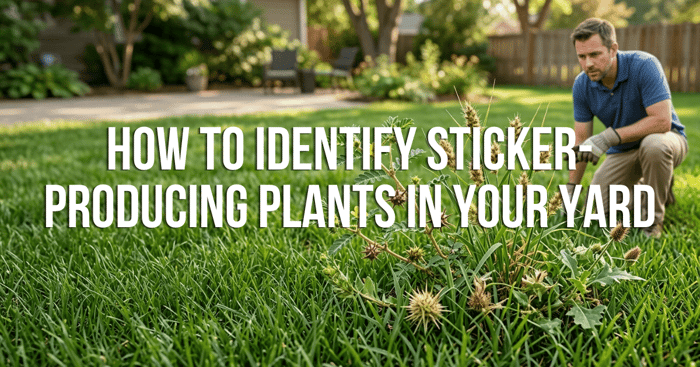
You cannot treat a weed correctly until you know exactly what it is. The good news is that each sticker-producing plant has distinct features once you know what to look for. Here's a simple breakdown:
Lawn burweed resembles parsley. It grows in a low, flat, branching pattern close to the ground and stays under 4 inches tall. By late winter and early spring, you'll spot tiny spine-tipped burrs forming near the base of its feathery leaves. Its stems may show faint dark or purple spots, which homeowners sometimes confuse with another lawn weed called southern brass buttons.
Field sandburs look almost exactly like grass. They blend into Bermuda and St. Augustine lawns seamlessly during early growth stages. However, as the season progresses, you'll see clumps of spiky seed clusters forming along the leaf tips and joints. Look for these clusters in thin, dry, or heat-stressed sections of your lawn; that's where sandburs tend to show up first.
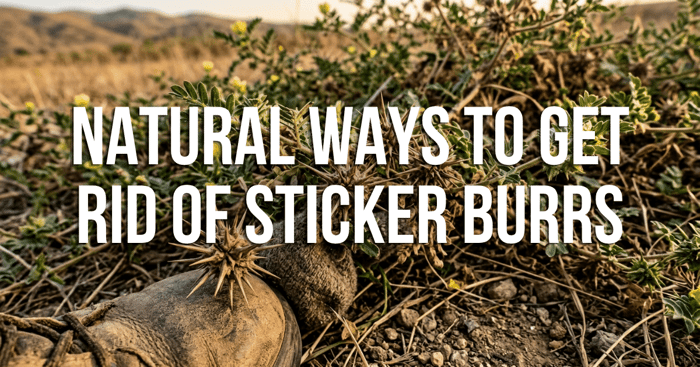
Goat heads grow flat along the ground in a spreading mat. Each plant can grow up to 3 feet wide. They produce small, five-petaled yellow flowers followed by extremely hard, star-shaped seeds with sharp points on all sides. When the plant dries out, those seeds fall off and remain dangerous for years.
Bur clover has a classic three-leaflet clover appearance. In spring, it produces tightly coiled, spiked seed pods that are easy to spot once you crouch down and look closely at the soil level. You'll find it most often along lawn edges, in bare spots, and around garden bed borders.
To spot these plants early, look for small hooks or spines on seeds and seed pods. If your shoes, socks, or pet’s fur pick up these tiny burs, you have sticker plants to deal with. Early identification helps you act before they spread into larger patches.
Treatment: How to Remove Sticker Weeds From Your Lawn
Dealing with stickers in your yard can be frustrating, but with the right approach, it is entirely manageable. Successful treatment combines manual removal, smart burr removal tools, selective herbicides, and lawn restoration practices. A systematic strategy ensures that stickers are removed thoroughly while reducing the risk of future infestations. Here’s the step-by-step process:
Step 1: Manual Remove the Burrs
Manual removal remains the most reliable way to tackle sticker plants, especially when infestations are moderate. Begin by wearing gloves and sturdy shoes to protect your hands and feet from the sharp seeds. Carefully pull each plant from its roots, making sure to remove the entire root system. Leaving behind even a small portion can allow the plant to regrow, undoing your effort. After removing the plants, sweep or rake any loose seed pods remaining on the lawn.
Step 2: Using Sticker Burr Removal Tools
While manual removal works well, specialized tools make the process much easier and faster. The Sticker Burr Roller is particularly effective, designed to collect even the most stubborn seeds from grass, clothing, and pet fur. Rolling it over your yard picks up seeds efficiently, minimizing bending and repetitive effort. Homeowners who use this tool regularly find that it not only saves time but also prevents seeds from embedding deeply into the grass, reducing the chance of reinfestation.
Step 3: Chemical Treatments for Larger Infestations
For severe or widespread sticker problems, selective herbicides can be used to target sticker-producing weeds without harming healthy grass. Always follow the instructions carefully and consider eco-friendly or pet-safe options for households with children or pets. While chemicals can help control stubborn infestations, combining them with manual removal and tools like the Sticker Burr Roller ensures a more thorough solution.
Step 4: Lawn Renovation: Repair and Strengthen
After removing stickers, bare or thin patches in your lawn may remain. These areas are highly susceptible to new infestations. Lightly rake the soil, overseed with matching grass, and cover with a thin layer of straw or soil to protect the seeds. Regular watering and mowing at the proper height will help the new grass establish, creating a dense, resilient lawn that naturally suppresses sticker growth.
Protect Your Family and Pets During Treatment
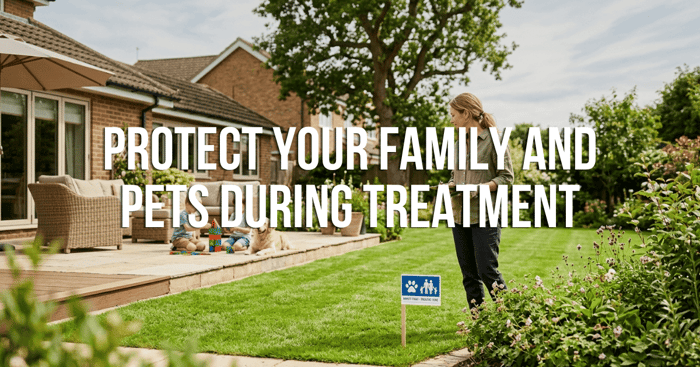
Sticker weeds are more than an annoyance. Their sharp spines pierce pet paws, cut bare feet, and can cause skin infections if the spines break off under the skin. Children and dogs are at the greatest risk, especially in yards where they run and play freely. Here's how to keep everyone safe while you work through treatment:
Wear thick-soled shoes whenever walking through areas that still have burrs on the ground
Check your dog's or cat's paws carefully after every outdoor trip; burrs between the paw pads are a common and painful problem.
Keep kids off the lawn until herbicide products have fully dried and burrs have been removed.
Use gloves and eye protection when applying any herbicide spray or granule product.
Always read and follow label instructions, dosage, grass type restrictions, and re-entry times vary by product.
Also, if your yard has a heavy infestation near a sidewalk or driveway, consider placing a mat or shoe brush near your entry door. That simple step keeps burrs from tracking into your home on shoes or pet fur during the treatment period.
Conclusion
Stickers can turn your yard from a relaxing outdoor space into a painful and frustrating obstacle course. But with the right tool and steps, you can take back control. By using the Sticker Burr Roller and inspecting your yard regularly, you can improve grass health and make your yard safe and comfortable again.
Stop letting painful yard stickers ruin every step your family and pets take outside. Get the sticker burr roller that homeowners across the US are using to clean up burrs fast, safely, and without chemicals. Order your Sticker Burr Roller today, and take the first real step toward a clean, safe, enjoyable yard your whole family can love again.
Read More:
FAQs
How long does it take to get rid of sticker weeds for good?
Most lawn care professionals agree that clearing a heavy infestation takes two to three full treatment seasons. Consistency is what makes the difference. Each year of correct pre-emergent application depletes more seeds in the soil bank.
Can I use a natural or organic method instead of an herbicide?
Yes, but natural methods require more time and effort. Hand-pulling, soil solarization, and physical removal tools are all effective non-chemical approaches. However, they work best in combination with good lawn care practices like overseeding and proper mowing.
Will mowing the weeds help get rid of them?
No, mowing over mature burr weeds actually makes things worse. It spreads seeds further across your lawn. Instead, treat with an herbicide first. Then mow and bag all clippings carefully once the weeds have started to die.
When is the absolute best time to treat sticker weeds?
The best time is before you see them. Pre-emergent application in fall (for winter types) or early spring (for warm-season types) stops the problem before it starts. If you've already missed that window, post-emergent treatment in late winter gives you the next best results.