
Sticker weeds are a common but serious problem in lawns across the U.S. These spiny, low-growing plants can turn a beautiful yard into a painful hazard in just one season. Bare feet, pets, and garden tools all risk injury from the sharp seeds that cling to almost anything. Many homeowners wonder, ‘What kills stickers in the yard fast?’
Removing sticker weeds quickly requires strategy, knowledge, and consistent effort. The good news is that by using an efficient burr removal tool and combining natural remedies, you can eliminate sticker weeds effectively and keep them from returning. In this guide, we’ll cover what sticker weeds are, the best time to remove them, 7 proven methods to kill them, and long-term strategies to prevent reinfestation.
What Are Yard Stickers? (Know Your Enemy)
Yard stickers are low-growing weeds. They produce small, spiny seed pods called burrs. These burrs cling to everything: shoes, clothing, grass, and animal fur. There are three main types found across the US:
Grass Burr (Cenchrus echinatus): Common in the South and Southwest. Grows in sandy or dry soil.
Lawn Burweed (Soliva sessilis): Spreads in thin, weak lawns. Thrives in cool, damp conditions.
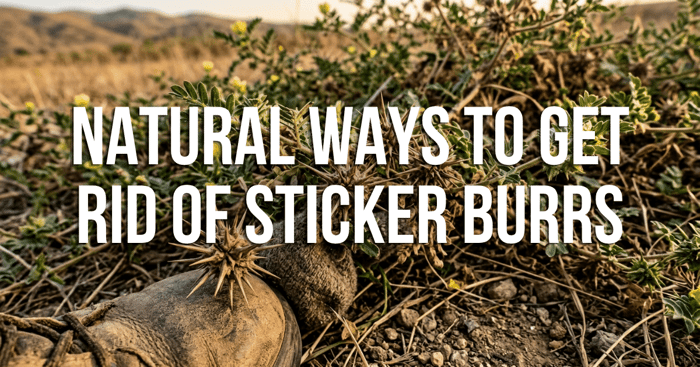
Puncturevine (Tribulus terrestris): Known for flat, hard spines. Sharp enough to flatten bicycle tires.
These plants love neglected lawns. They also thrive in areas with bare soil, poor nutrition, or low mowing height. According to the USDA National Invasive Species Council, invasive weeds like sticker burrs cost US homeowners over $34 billion annually in lawn damage and treatment costs. Furthermore, every single plant can drop hundreds of burr seeds in one season. So, if you ignore them now, the problem doubles fast.
When Is the Best Time to Kill Yard Stickers?
Timing is everything with sticker weed control. Therefore, acting at the right moment doubles your results. The best time to start treatment is early spring, before any seeds germinate. At this stage, a pre-emergent herbicide stops burrs before they even sprout. However, if weeds are already growing, start post-emergent treatment immediately. Young, actively growing weeds respond best to herbicide sprays.
Here is a simple seasonal action guide:
Season | Action |
Early Spring (Feb–April) | Apply pre-emergent herbicide |
Late Spring–Summer (May–Aug) | Spray post-emergent on visible weeds |
Fall (Sept–Nov) | Overseed bare patches; strengthen lawn |
Winter (Dec–Jan) | Plan and prep for the next season |
Also, watch your soil temperature. Pre-emergent herbicides are most effective when the soil hits 52°F. Use a basic soil thermometer before you apply. This small step saves you from wasting product.
What Kills Stickers in the Yard Fast? (7 Proven Methods)
Here are 7 fast, effective ways to clear sticker burrs from your lawn. Choose the method that best fits your situation.
Method 1: Pre-Emergent Herbicide
This is the most powerful weapon against burr weeds. Pre-emergent herbicides stop seeds from germinating. So, you kill the problem before it starts.
Top products include Dimension 2EW, Pendimethalin, and Prodiamine. Apply in early spring when soil temp reaches around 52°F. Then water lightly to activate the product. According to turfgrass research published by Purdue University Extension, pre-emergent herbicides applied at the correct time block up to 90% of weed seed germination. That is a massive reduction with just one treatment.
Method 2: Post-Emergent Herbicide
Already see sticker weeds growing in your lawn? Use a post-emergent herbicide. It targets and kills weeds that are already above the soil.
Good options include MSMA Turf Herbicide, Ortho Weed B Gon, and Celsius WG. Spray on a dry, calm day. Also, avoid applying before rain, as moisture washes away the chemical before it can work. Always read the label before use. Some post-emergent products are selective and only target weeds. Others are non-selective and will harm your grass too.
Method 3: White Vinegar Spray (Natural Method)
White vinegar is a surprisingly effective natural treatment. Use a solution with 20% acetic acid for the best results. Mix it with a few drops of dish soap to help it stick to the leaves.
Spray directly on the sticker weeds during sunny weather. The acid breaks down the plant tissue fast. Moreover, it is safe around children and pets once the solution dries completely. However, use it carefully. Vinegar does not know the difference between weeds and grass. So, aim your spray precisely at the target plant and avoid nearby turf.
Method 4: Boiling Water
Boiling water destroys weeds right at the root level. Pour it slowly and carefully over the sticker plant. The heat collapses the cell walls and kills the weed within hours. This method works best on small, isolated patches near driveways, sidewalks, or garden edges. Additionally, it is completely chemical-free and costs nothing.
However, it will also damage the surrounding grass. So, avoid using it in the middle of open lawn areas. It is best for border zones or cracks in pavement.
Method 5: Sticker Burr Roller (Most Efficient Method)
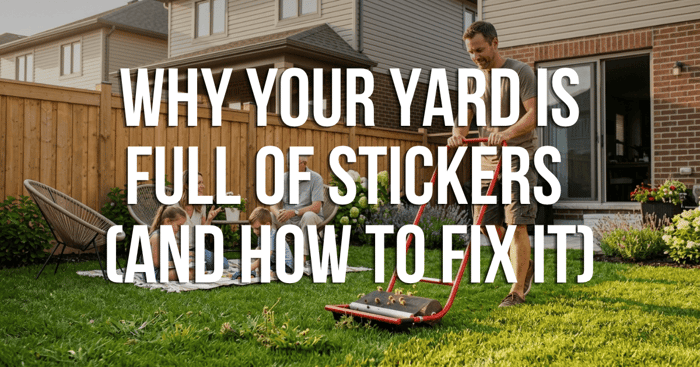
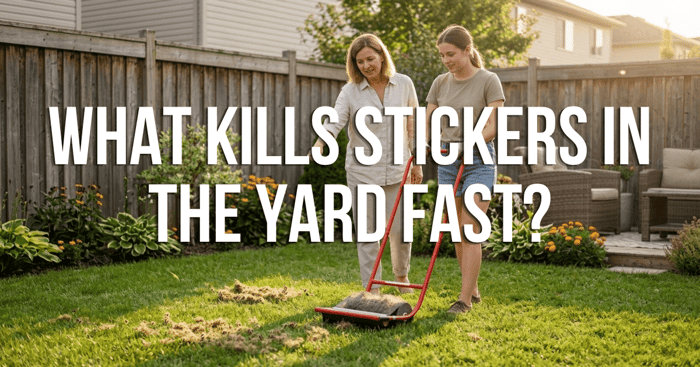
A sticker burr roller is one of the smartest tools for managing burr weeds. It rolls across your lawn and picks up loose burrs from the grass surface quickly and efficiently. Use it after every mow. The Sticker Burr Roller collects burrs before they can fall back into the soil and reseed. As a result, each season produces fewer and fewer new weeds.
This method is especially valuable for families with young children and pet owners. Dogs and cats pick up dozens of burrs in a single yard visit. Regular rolling keeps the surface clean and safe. Furthermore, a burr roller works alongside herbicide treatments. Together, they break the weed's growth cycle from two directions, above ground and below. Visit stickerburrroller.com to find the right roller for your yard size.
Method 6: Corn Gluten Meal (Organic Pre-Emergent)
Corn gluten meal is a natural, organic pre-emergent option. It prevents weed seeds from sprouting without using synthetic chemicals. Apply it at 20 lbs per 1,000 square feet in early spring.
Research from Iowa State University shows that corn gluten meal can reduce weed germination by up to 60% with consistent annual use. Additionally, it adds nitrogen to the soil, which feeds and strengthens your grass at the same time. This is a great option for organic lawn care enthusiasts. However, it takes two to three seasons of consistent use to show full effectiveness. So, patience is key.
Method 7: Lawn Aeration and Overseeding
A thick, healthy lawn is your best long-term weapon against sticker weeds. Dense grass simply leaves no room for burr seeds to germinate and grow.
Aerate your lawn in the fall. Aeration opens up the soil and improves water, air, and nutrient absorption. Then, overseed any thin or bare patches with a quality grass seed blend. As the new grass fills in, it naturally chokes out any remaining weeds. In fact, most lawn experts agree that a dense turf is the single most effective long-term weed control strategy available.
How to Prevent Sticker Weeds from Coming Back
Killing existing weeds is step one. Preventing future growth is step two. Consequently, both steps are equally important. Follow these proven prevention habits:
Mow at the Right Height: Keep your grass at 3 to 4 inches tall. Taller grass shades the soil and blocks sunlight from reaching weed seeds. Never scalp your lawn — short grass invites weeds in.
Water deeply and infrequently: Water your lawn once or twice per week. Deep watering builds strong, deep root systems. Shallow, daily watering actually encourages weed seed germination near the soil surface.
Fertilize on Schedule: A well-fed lawn grows thick and crowds out weeds naturally. Use a balanced fertilizer in early spring and again in fall. Strong turf is weed-resistant turf.
Apply Pre-Emergent Every Year: Make pre-emergent treatment part of your annual lawn care calendar. Apply it every spring, without exception. Consistency is what delivers long-term, season-after-season control.
Use a Burr Roller After Every Mow: After mowing, run a sticker burr roller across your lawn. This simple habit removes loose burrs before they can reseed. Over time, it breaks the weed's cycle and steadily reduces the burr population.
According to a 2023 survey by the National Gardening Association, 67% of US homeowners report struggling with lawn weeds every single year. However, homeowners who follow a consistent lawn care routine report 80% fewer weed problems over time compared to those who treat reactively. That statistic says it all. Prevention beats cure every time.
Are Yard Stickers Dangerous?
To be very concise, the answer is truly ‘yes’. Because sticker weeds pose real risks. Understanding these risks motivates faster action.
For Humans: Burr spines pierce bare skin and cause painful puncture wounds. They can also work in shoes and injure their feet. Children who run and play barefoot outside are at the highest risk.
For Pets: Burrs attach to dog and cat fur almost instantly. They can embed into paw pads, between toes, or inside ears. If not removed quickly, embedded burrs lead to painful infections that often require veterinary treatment.
For Equipment: Puncturevine burrs are sharp enough to pop bicycle tires and puncture garden hoses. They also dull lawn mower blades faster than normal grass does. So, heavy infestations lead to higher equipment maintenance costs over time.
Treating sticker weeds protects your entire family, including your pets, your equipment, and your wallet.
Conclusion
Sticker burrs do not belong in your lawn, and your family deserves better than painful barefoot surprises. Stop the cycle now before the next season makes the problem even worse. A sticker burr roller is the easiest, most effective tool you can add to your lawn care routine right now. Thousands of homeowners across the US are already using it to keep their yards clean, safe, and burr-free. Visit Sticker Burr Roller today, pick the right roller for your yard size, and feel the difference after your very first use.
FAQs
What kills stickers in the yard permanently?
No single treatment offers permanent results on its own. However, combining annual pre-emergent herbicide applications with overseeding and consistent lawn care delivers the closest thing to permanent control. Consistency is the real secret.
Does vinegar kill sticker burrs effectively?
Yes. A 20% acetic acid vinegar solution kills sticker weeds quickly. However, it can also harm the surrounding grass. Apply it with precision, targeting only the weed and not the surrounding turf.
How do I get rid of stickers in my yard without chemicals?
Use corn gluten meal as an organic pre-emergent, followed by boiling water or manual removal for visible weeds. Running a sticker burr roller after mowing also removes loose burrs before they can reseed, no chemicals needed.
When should I apply pre-emergent herbicide for sticker weeds?
Apply pre-emergent in early spring, when soil temperature reaches around 52°F. Applying too early or too late reduces effectiveness significantly. A soil thermometer helps you hit the timing right.
Are sticker burrs dangerous for dogs?
Yes, absolutely. Burrs stick into dog fur, paw pads, and ears. If not removed promptly, they cause pain, inflammation, and infections. Regular yard treatment and post-walk paw checks keep your dog safe.
How many times a year should I treat my yard for sticker weeds?
Treat at least twice a year, once with pre-emergent in early spring and once with post-emergent in late spring or early summer if weeds appear. Additionally, overseed in the fall to fill in bare spots before winter.